Croatian Property Market Trends Every Seller Should Know in 2026
The Croatian real estate market is evolving rapidly. For property owners considering a sale, understanding the current trends is essential for timing your listing, setting the right price, and reaching the right buyers.
Here are the key market trends shaping Croatian real estate in 2026.
Price Stabilization After Years of Growth
After several years of strong price appreciation — particularly in coastal cities like Split, Dubrovnik, and Zadar — the market is entering a stabilization phase. Prices in prime locations remain firm, but the rapid double-digit annual increases seen in 2021–2024 have moderated. This does not mean prices are falling; rather, they are finding a sustainable equilibrium. Sellers who price realistically from the outset are still achieving strong results.
Transaction Volumes Have Declined
The number of property transactions in Croatia has decreased for the third consecutive year. Higher prices, tighter lending conditions, and a reduced supply of quality properties have all contributed. For sellers, this means less competition from other listings but also a smaller pool of active buyers. Properties that are well-presented, properly priced, and effectively marketed stand out even more in this environment.
Foreign Buyer Activity Remains Robust
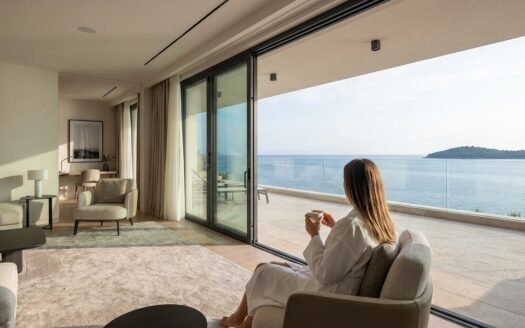
International buyers continue to represent a significant and growing share of the Croatian market. German, Austrian, Slovenian, British, Irish, American, and Canadian buyers are all active. The euro adoption, Schengen zone access, and Croatia’s growing reputation as a lifestyle destination keep foreign demand healthy — particularly for coastal properties, villas with pools, and turnkey rental investments.
Short-Term Rental Regulations Are Tightening
Croatian authorities are implementing stricter regulations around short-term tourist rentals, including registration requirements, safety standards, and tax compliance. Properties with existing, fully compliant rental operations are more valuable than those where rental potential is theoretical. Sellers of rental properties should ensure all licenses and registrations are current.
New Construction Is Slowing
Rising construction costs and supply chain challenges have slowed new development in many areas. This constrains supply, which supports values for existing properties — particularly in established neighborhoods where new building land is scarce.
Energy Efficiency Matters More
Buyers are increasingly aware of energy costs and EU energy regulations. Properties with good energy certificates (A or B class), modern insulation, and efficient heating and cooling systems are commanding premium prices. Sellers with older, less efficient properties may want to consider targeted upgrades before listing.
Digital Nomad and Remote Worker Demand
Croatia’s digital nomad visa program has attracted a new segment of property seekers — remote workers looking for medium to long-term stays or permanent relocation. This demographic tends to favor well-connected urban apartments with fast internet, co-working proximity, and walkable neighborhoods.
Positioning Your Property in This Market
In a stabilizing market, presentation, pricing, and reach matter more than ever. Working with an agent who understands both the local market and the international buyer pool is critical.
At 385 Real Estate, we provide data-driven pricing advice, professional marketing, and direct access to our international buyer network. Contact us at info@385realestate.hr or +385 99 385 7325.